Explore Edge Realty's diverse range of high-quality real estate listings available for purchase in Rhode Island
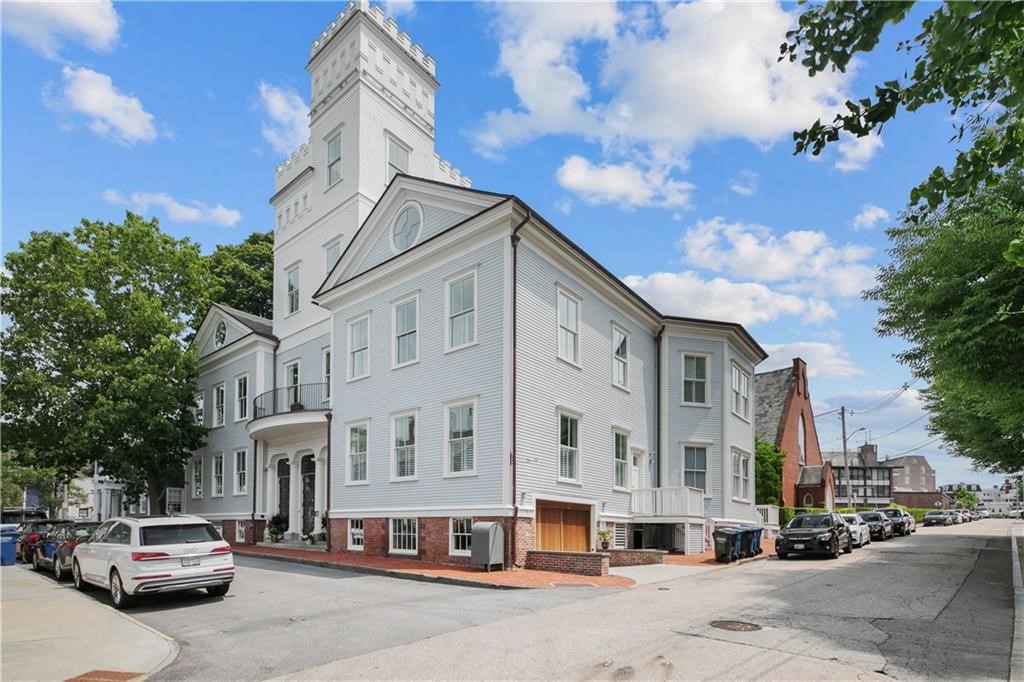
Rhode Island combines coastal landscapes, historic architecture, and established waterfront communities across a compact, highly accessible state. From Newport estates to Providence townhomes, the market offers a range of properties shaped by maritime heritage and year-round coastal living.
What is the housing market like right now? In January 2026, home prices in Rhode-Island were up 5.2% compared to last year, selling for a median price of $529,500. On average, the number of homes sold was down 11.4% year over year and there were 631 homes sold in January this year, down 712 homes sold in January last year. The median days on the market was 41 days, up 2 year over year.
Median Sales Price
# of Homes Sold
Days on Market
Your Guide To
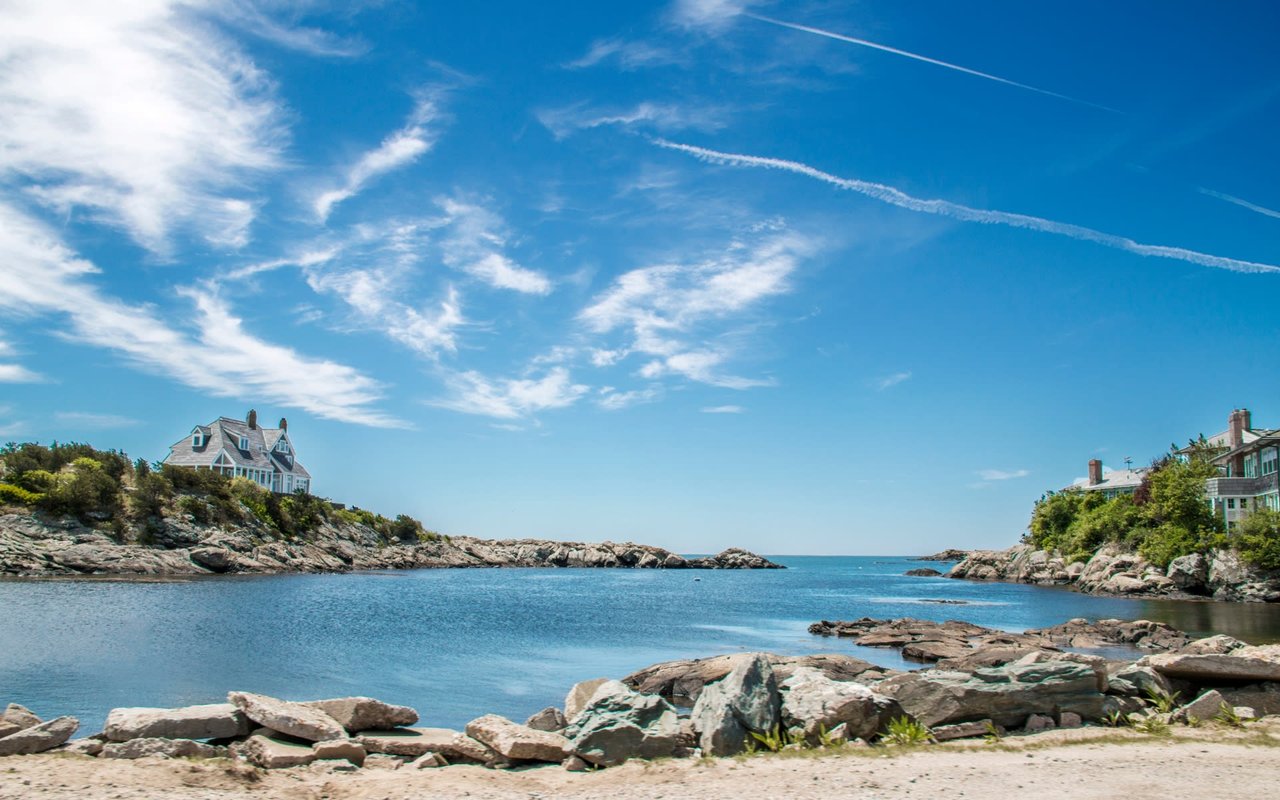
Rhode Island real estate reflects a lifestyle shaped by the Atlantic coastline, historic town centers, and established maritime communities. From Newport’s waterfront estates to Providence’s historic neighborhoods and the quiet beaches of South County, the state offers distinct environments within a compact geography. Buyers exploring Rhode Island homes for sale often prioritize access to the water, walkable downtown districts, and properties that balance architectural character with modern updates.
Life here centers around the shoreline and seasonal rhythm—sailing in the summer, coastal walks in the fall, and community events throughout the year. Residents enjoy locally owned restaurants, working harbors, golf courses, and preserved open space that protect long-term value. Whether purchasing a primary residence or a coastal retreat, Rhode Island provides a market defined by location, history, and consistent demand for well-positioned homes.
Below are answers to common questions buyers have when exploring Rhode Island real estate, from coastal properties to urban residences and investment considerations.
Rhode Island offers waterfront estates, historic colonial homes, downtown condominiums, suburban single-family residences, and seasonal beach properties. Inventory varies by region, with coastal communities commanding premium pricing.
Pricing depends heavily on location. Coastal towns such as Newport, Watch Hill, and Narragansett tend to have higher entry points, while inland communities may offer more moderate price ranges. Market conditions and property type significantly influence final pricing.
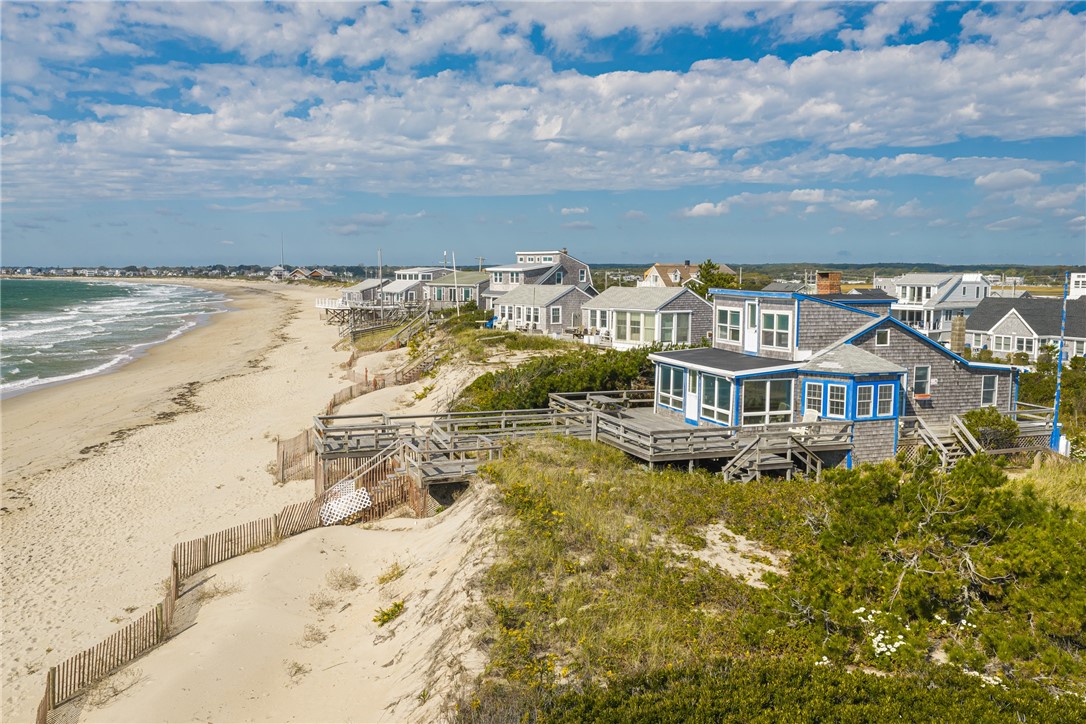
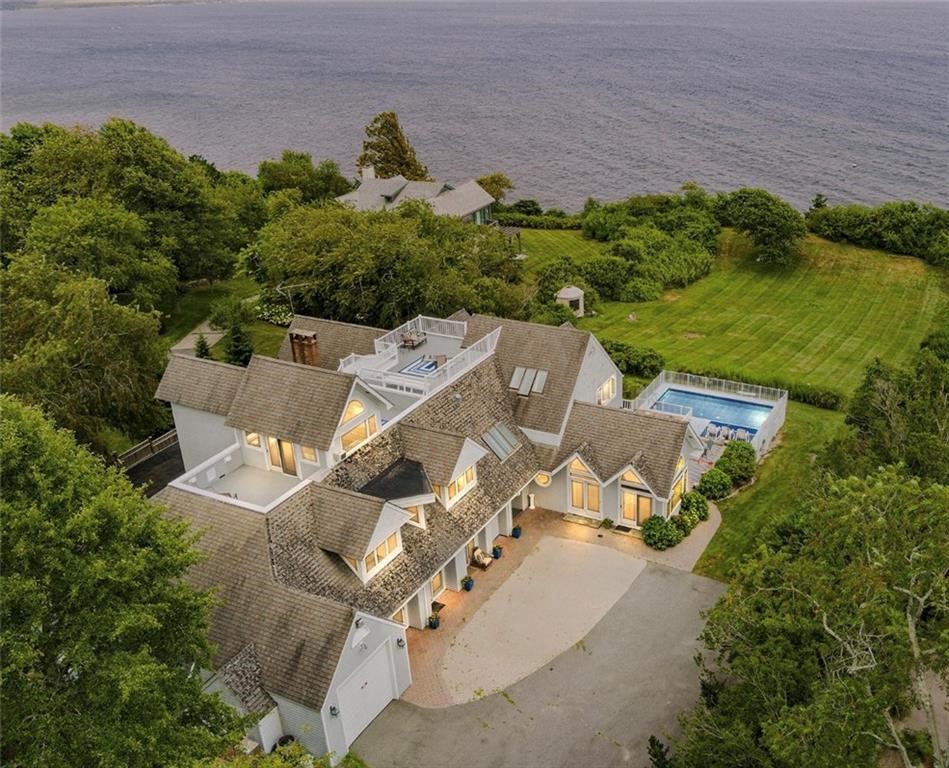
Yes. With over 400 miles of coastline, the state has a strong inventory of oceanfront, bayfront, and harbor-view properties. Waterfront homes are among the most sought-after assets in the market.
Rhode Island is a popular second-home destination due to its beach communities, sailing culture, and proximity to Boston and New York. Many buyers purchase seasonal properties in South County, Newport, and Watch Hill.
Property tax rates vary by municipality. Some towns have higher mill rates than others, so buyers should review local assessments when comparing communities.
Rhode Island offers similar coastal access and historic character but within a smaller geographic footprint. Many buyers appreciate the state’s accessibility, shorter commute times, and established waterfront communities.
Homeowners enjoy boating, beach access, golf courses, historic downtown districts, and year-round community events. The blend of coastal recreation and preserved New England architecture defines daily life across much of the state.
Rhode Island is located in the Northeast, bordered by Massachusetts and Connecticut, with extensive shoreline along the Atlantic Ocean and Narragansett Bay. Its compact size allows residents to travel across the state in under an hour, while maintaining close proximity to Boston and reasonable access to New York City.
The state’s identity is closely tied to its coastline. Towns such as Newport, Narragansett, Westerly, and Jamestown offer harbor access, beaches, and waterfront neighborhoods. Coastal zoning and limited inventory contribute to long-term demand in these areas.
Providence serves as the capital and economic hub, offering historic districts, universities, and a growing downtown residential market. Other town centers, including Bristol, East Greenwich, and Wickford Village, feature walkable streets, marinas, and preserved colonial architecture.
Residents have access to boating, sailing, fishing, golf courses, and public beaches throughout the state. State parks, coastal trails, and conservation land support year-round outdoor activity. Seasonal events, including regattas and food festivals, remain part of the local culture.
Rhode Island is home to several higher education institutions, including Brown University, Providence College, and the University of Rhode Island. Public and private K–12 options vary by municipality, with school quality often influencing buyer demand.
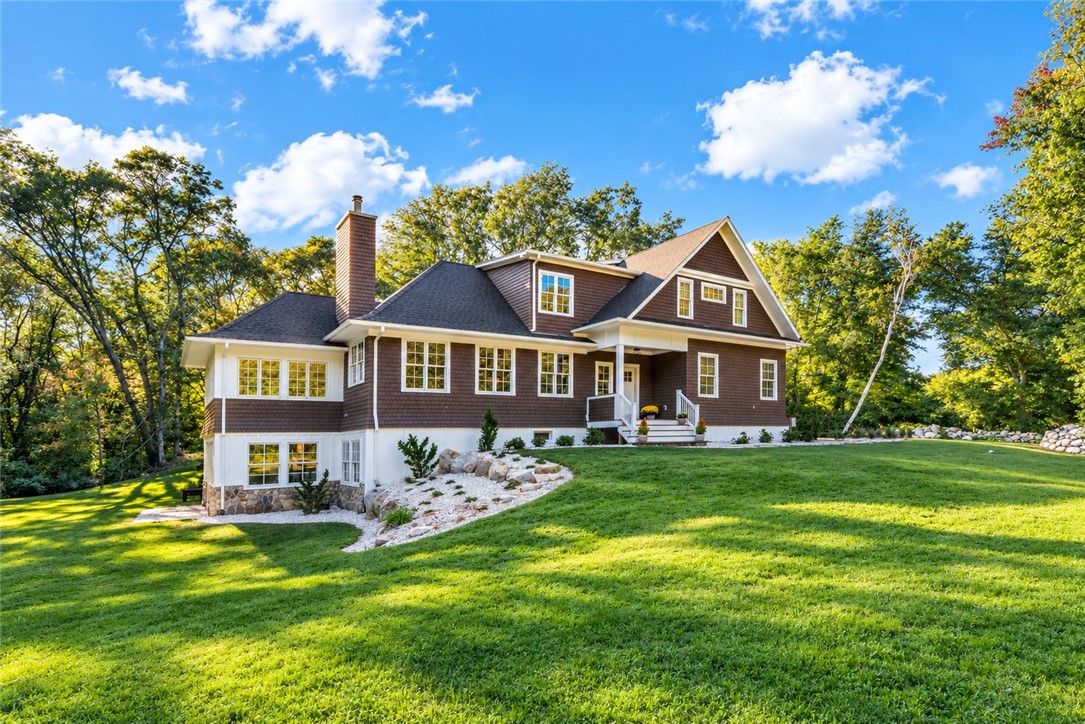
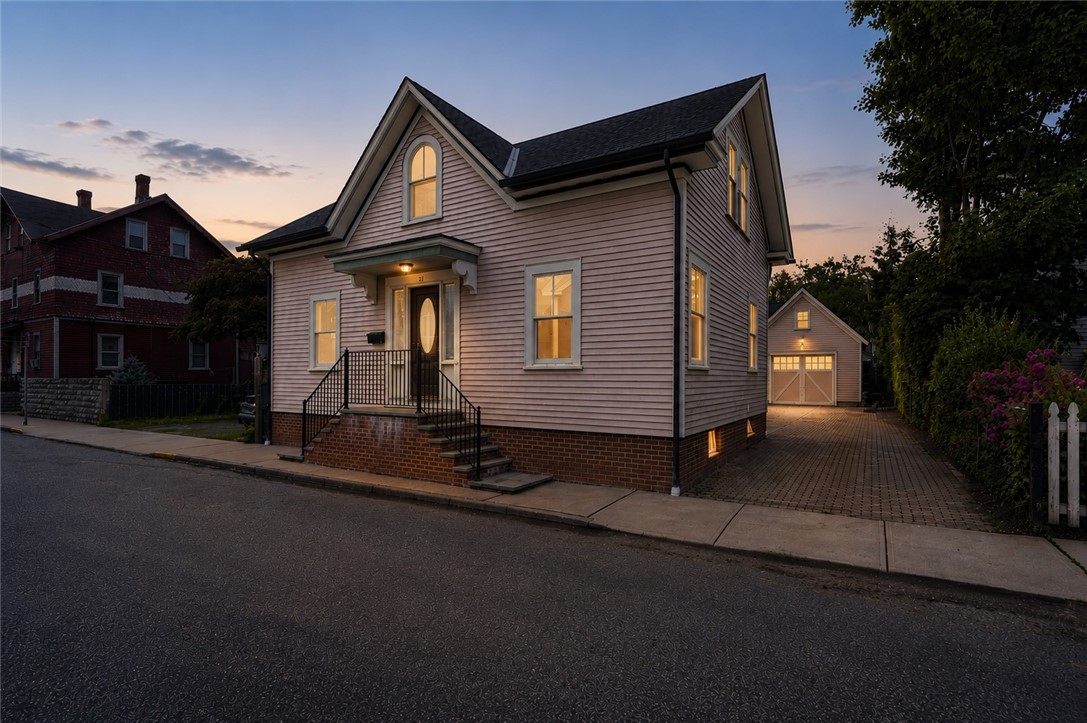
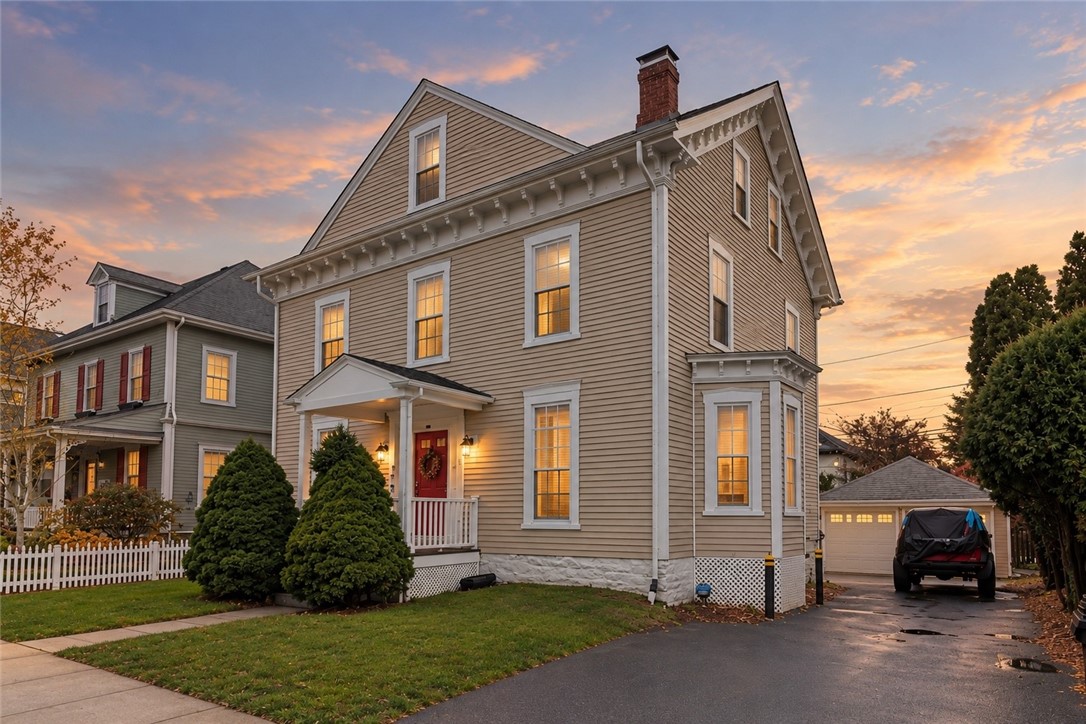
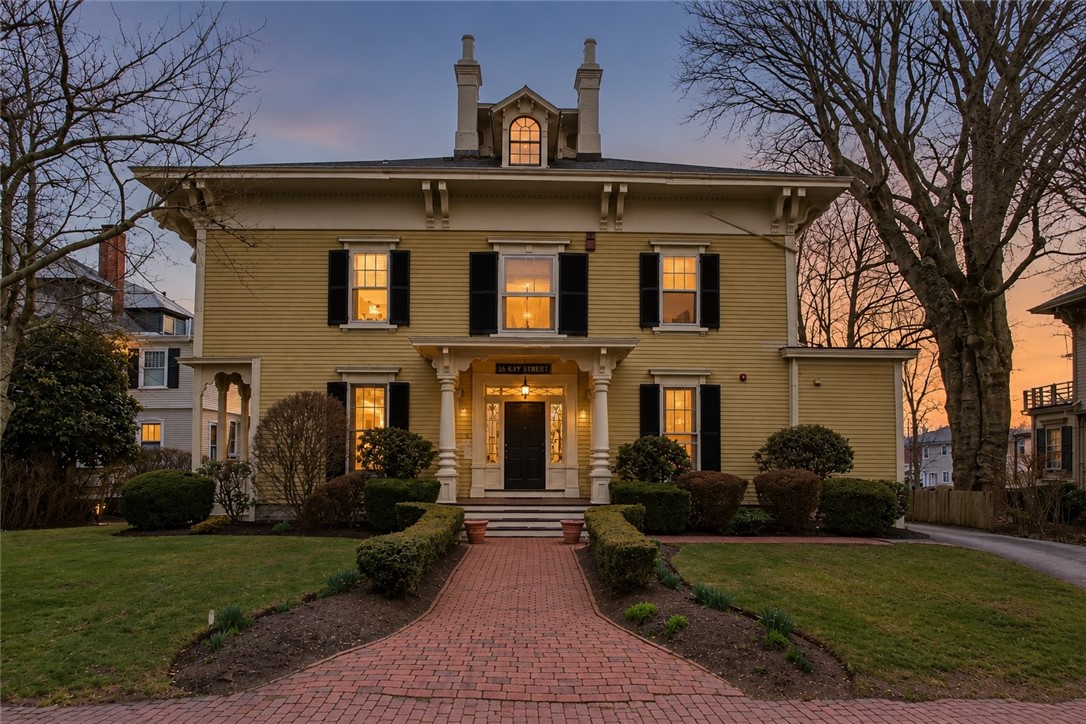
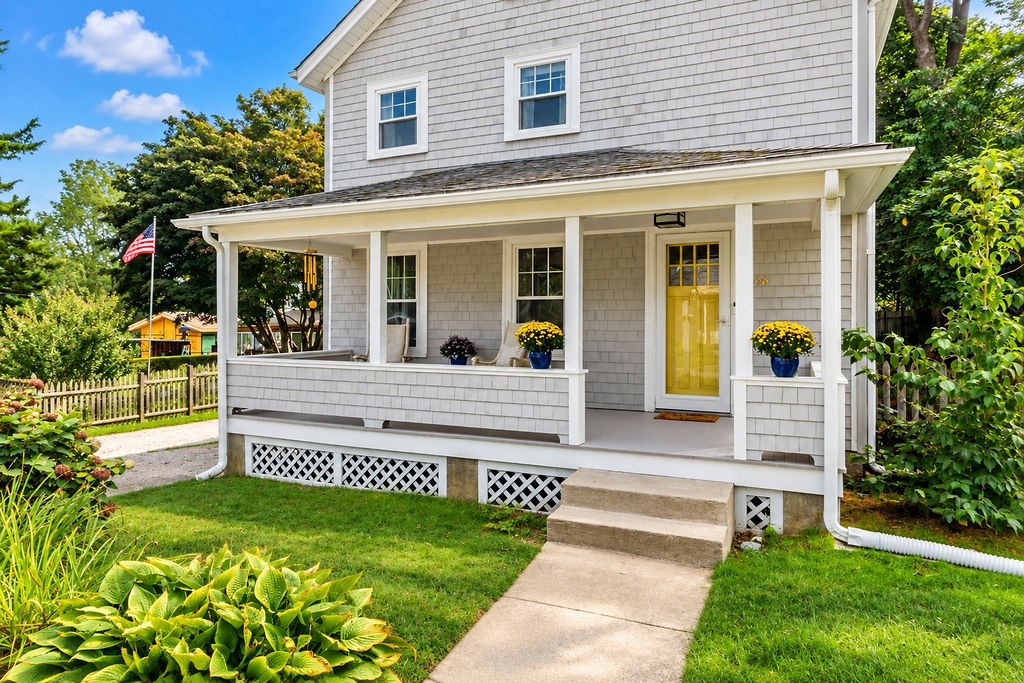
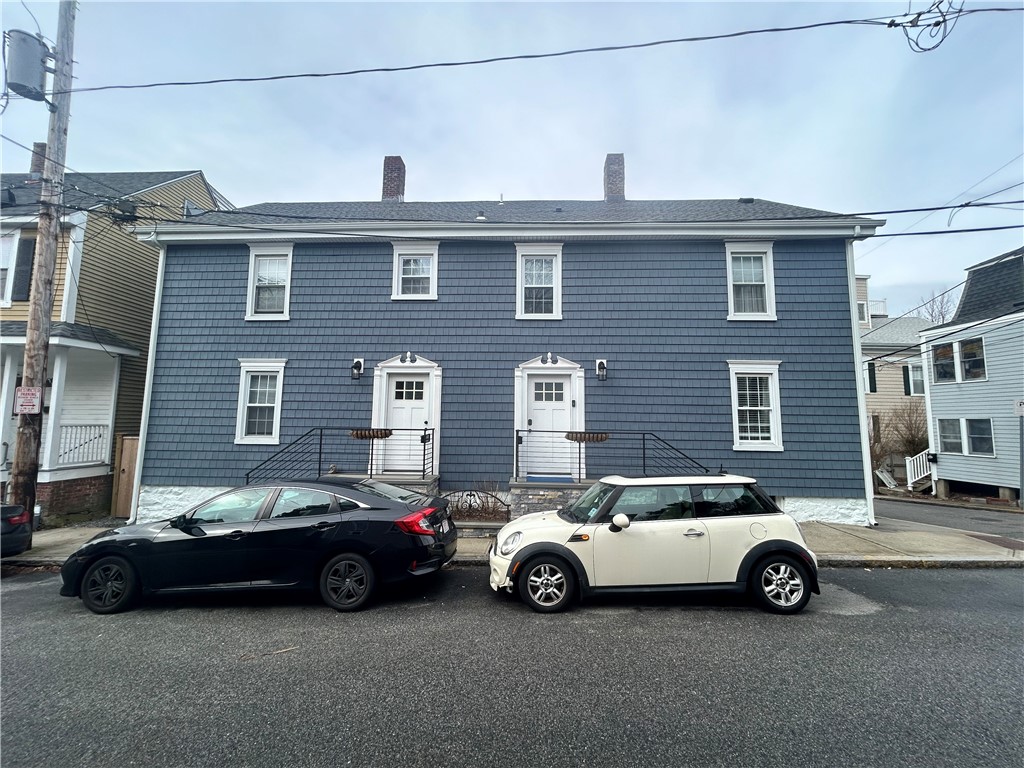
Housing ranges from historic colonials and coastal cottages to waterfront estates and urban condominiums. Buyers will find a mix of primary residences, seasonal properties, and investment opportunities shaped by location, water access, and architectural character.
We pride ourselves on providing personalized solutions that bring our clients closer to their dream properties and enhance their long-term wealth.