Art, Space and How We Look at Places
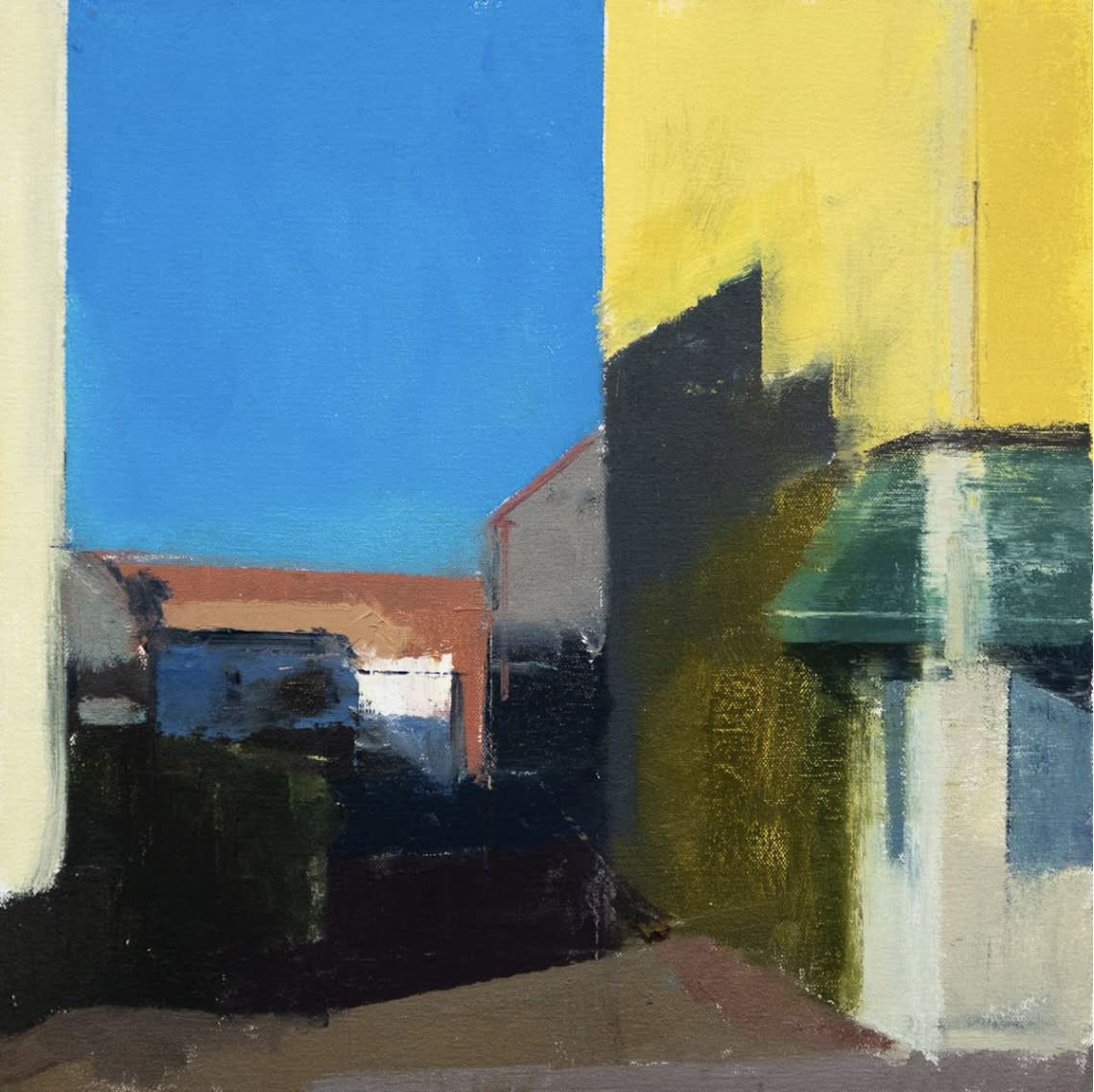
In Newport, Rhode Island, Jessica Hagen Fine Art + Design is collaborating with Hammetts Hotel for a solo show by landscape painter Sam Allerton Green titled “Pre-Referential.” On the surface, it is a classic New England art moment; underneath, it is a masterclass in how we perceive spaces, overlook details, and emotionally respond to environments—exactly the kind of lens that matters in real estate, architecture and placemaking.
Green’s exhibition runs at the hotel’s Sarah Langley Gallery from March 5 through June 24, 2026, with an artist reception scheduled for April 11 from 5:00 to 7:00 PM. A Providence-based artist with a BFA from the Maryland Institute College of Art and an MFA from the Pennsylvania Academy of the Fine Arts, Green is known for landscapes that merge vibrant abstraction with a slightly gritty, real-world perspective.
“Pre-Referential” hints at an interesting idea: art that captures the mood of a place before we label it—before it becomes “a hotel lobby,” “a coastal road,” or “a luxury residence.” Green leans into large shapes of color and blocks of light to explore the parts of the landscape we usually edit out: utility poles, shadowed corners, roadside edges, the unglamorous in-between spaces that actually define how a place feels.
Green often paints en plein air across seasons—from sun and snow to the stillness of night—using oil on canvas to record how environments shift with weather, time and light. Rather than chase postcard-perfect views, he turns to the overlooked: the backs of buildings, the in-between lots, the edges of a road, the quiet pockets that rarely make it into travel guides or sales brochures.
This is where “creative edge” comes in for our world. In real estate marketing, we tend to spotlight hero angles: facades at golden hour, staged living rooms, infinity pools. But buyers and tenants increasingly care about the whole lived experience—what it feels like to walk from the parking area to the lobby at night, where the morning light actually falls in the kitchen, what you see from the window on a rainy weekday, how a corridor corner or a lift lobby feels when you are alone. Green’s practice is a reminder that the “not-so-scenic details we quickly move past” are exactly what build long-term emotional connection to a space.
Jessica Hagen notes this is Green’s second exhibit at Hammetts Hotel, a signal that his work resonates strongly with visitors and guests. That response is a useful cue for our industry: people are drawn to honest, textural portrayals of place, not just idealized versions.
For developers and marketers, there are three subtle takeaways from “Pre-Referential”:
Design for the in-between. Corridors, service pathways, stair landings and parking entries can be treated as canvas, not afterthoughts—through lighting, materials, artwork and landscaping that elevate what is usually ignored.
Tell visual stories beyond the hero shot. Content that shows “real” vantage points—back-of-house angles, early-morning light, monsoon skies, nighttime ambience—feels more authentic and builds trust.
Use color and abstraction to express mood. Just as Green uses big shapes of color to suggest serenity, grit or warmth, we can use palette, signage, landscape design and art curation to signal the character of a project long before someone reads a brochure.
Jessica Hagen Fine Art + Design, founded in 2005, has built its reputation on contemporary painting, sculpture, photography and more, and has intentionally integrated art with hospitality spaces like Hammetts Hotel. Their approach reflects a broader shift: art is no longer a decorative afterthought but a strategic tool for building identity and emotional recall in spaces.
For us at Edge Realty, “Pre-Referential” is a useful metaphor for where real estate storytelling is headed. The next wave of premium projects—whether residential, hospitality or mixed-use—will win not just by having better amenities, but by helping people feel seen in the small, uncurated moments of daily life. Art that celebrates those quiet, overlooked corners shows us how powerful that shift can be.
In our marketing, design partnerships and visual narratives, we can borrow Green’s mindset: slow down, look again, and find beauty in the parts of the property most people would crop out. That is where the true creative edge lives.
Edge Realty was founded in 1990 in the waterfront community of Edgewood, Rhode Island, inspired by the richness of the architecture and the quintessential Ocean State coastline. With a background in the arts, we took our creativity and strategic thinking into Real Estate. Since then, Edge Realty opened its South County and Newport locations, and has continued to expand; now operating throughout Rhode Island, Massachusetts and Connecticut, with referral partners worldwide. With three strong decades of sales in all aspects of real estate, from first time buyers to luxury homes, Edge Realty has sold thousands of properties- including one-of-a-kind architect designed homes, historic time pieces, and whimsical beach cottages. We bring the Art of Real Estate to you – with a Creative Edge.
Stay up to date on the latest real estate trends.

Creative Edge
October 16, 2026
In The News
October 16, 2026

Creative Edge
October 9, 2026
In The News
October 9, 2026

Creative Edge
October 2, 2026
In The News
October 2, 2026
October 1, 2026
Finding a Cook-Ready Kitchen in Your Next Narragansett Home.

September 28, 2026
Designing a Reading Retreat That Suits Coastal Narragansett Living.
Creative Edge
September 25, 2026